ABOUT THE RUNDĀLE PALACE MUSEUM
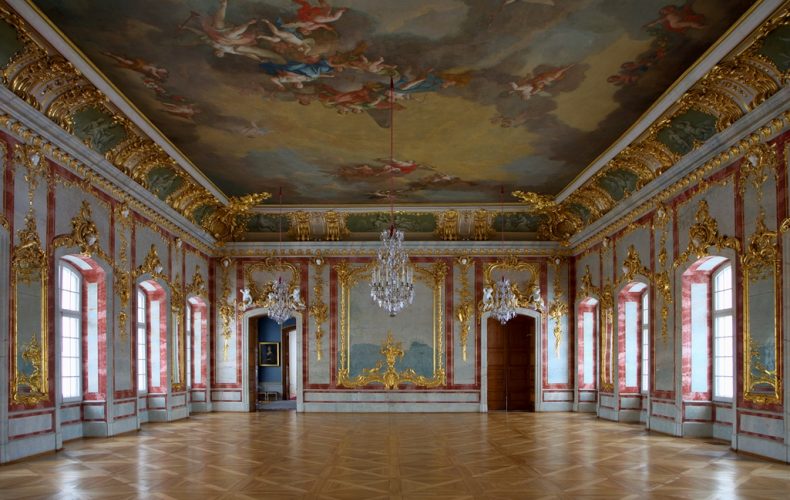
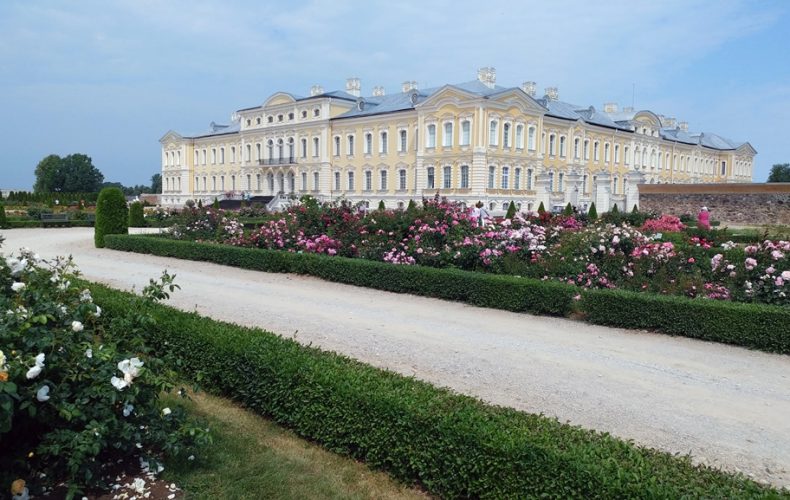
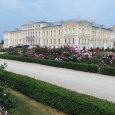
The summer residence of Duke Ernst Johann Byron of Courland, built to a design by architect Francesco Rastrelli from 1736 to 1740 and from 1764 to 1768.
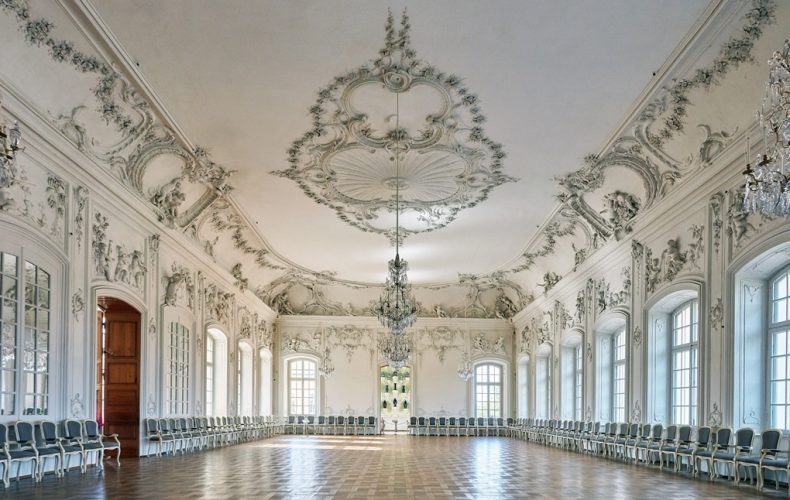
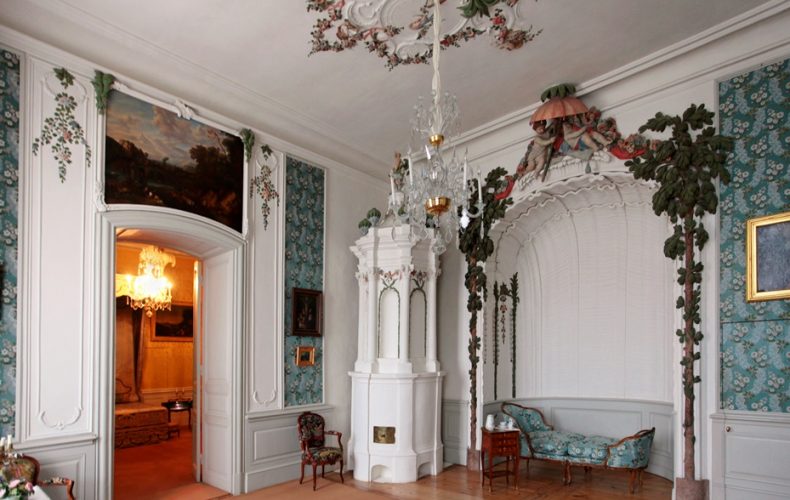
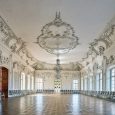
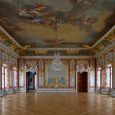
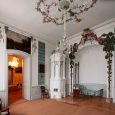
Most of the interiors were created between 1765 and 1768, when the sculptor Johann Michael Graf and the painters Francesco Martini and Carlo Zucchi worked in the palace. The museum preserves unique examples of Francesco Rastrelli’s early style, such as the Parade Staircase and the Small Gallery.
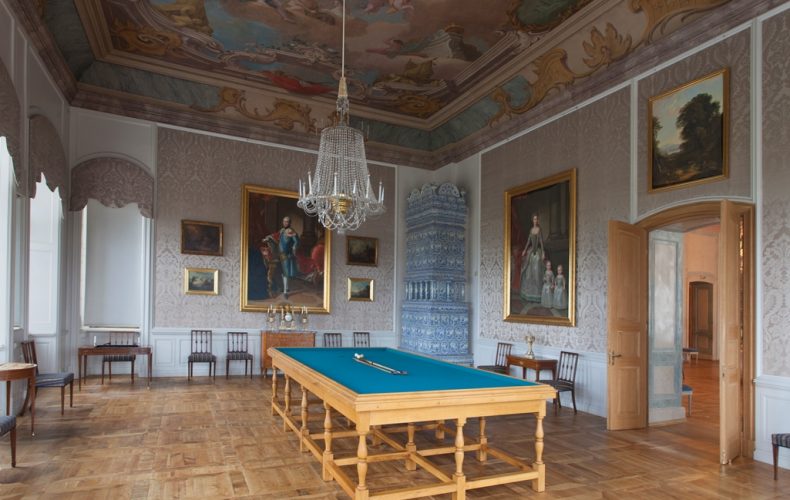
The artistic restoration of the interiors was carried out between 1972 and 2014, and the furnishings reflect the appearance of the palace in the second half of the 18th century.
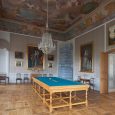
The eastern wing of the palace houses the parade halls, the central wing the Duke’s parade and private apartments, the western wing the Duchess’s apartments.
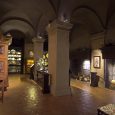
The museum also houses several exhibitions: ’18th Century Fashion’, ‘The Von Burr Family in Kurzeme’, ‘Kurzeme People in 18th Century Portraits’, ‘Duchess Dorothea of Kurzeme and the Count Meadem Family’, ‘Construction History of Rundāle Palace’, ‘Stone and Metal Forging in Latvia’, ‘Pompa funebris’, and an exhibition of church art.
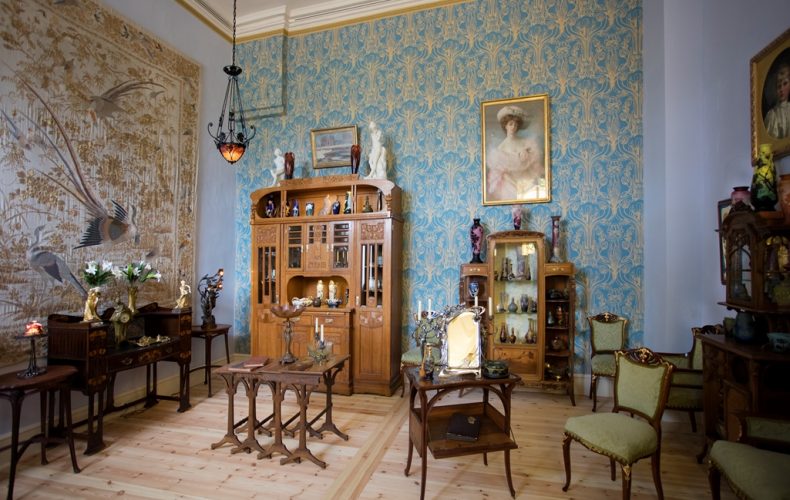
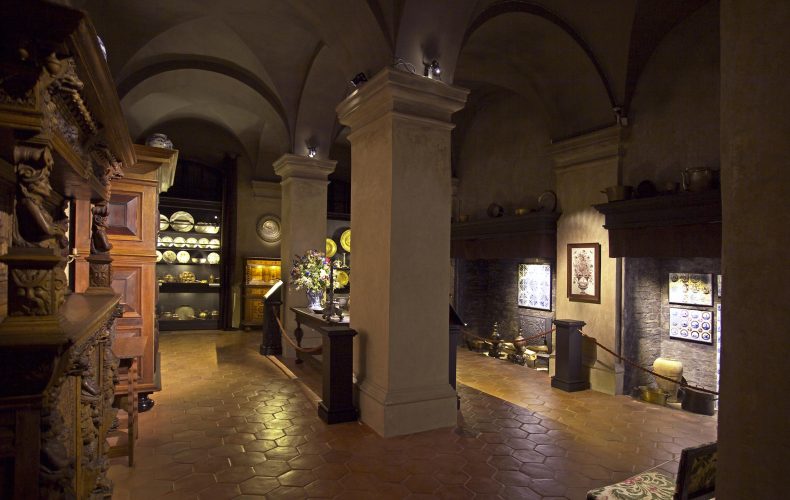
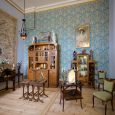
On the ground floor of the western wing of the castle there is an exhibition of European and Latvian decorative arts “From Gothic to Art Nouveau”, which covers the period from the 15th century to the First World War. The 15 rooms of the exhibition include Gothic, Renaissance, Mannerist, Baroque, Rococo, Classical, Empire, Biedermeier, Historicism and Art Nouveau styles. The exhibition, which includes interior groups complemented by paintings, engravings and everyday objects, helps to give an idea of the basic lines of development of all the historical styles.
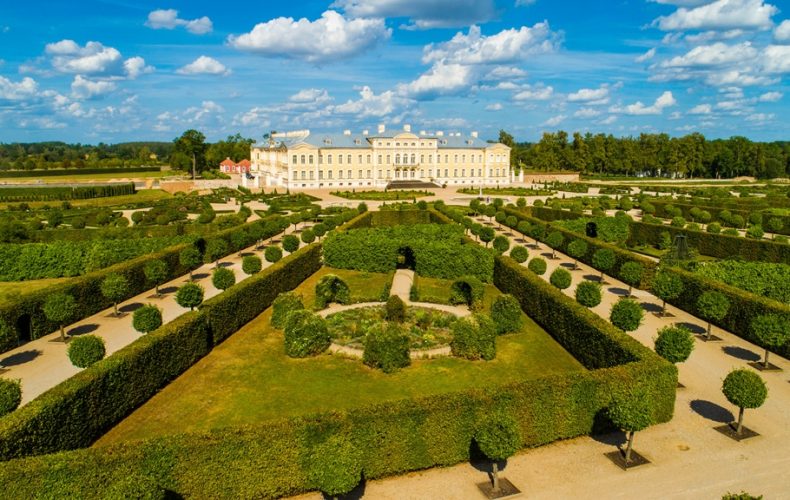
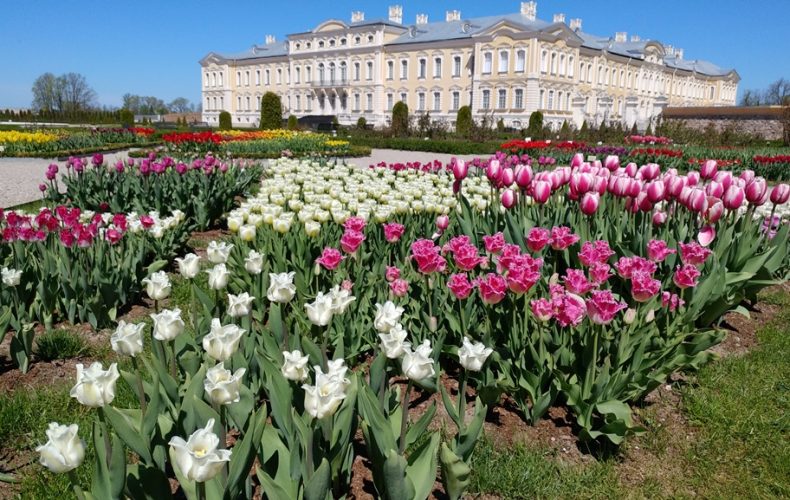
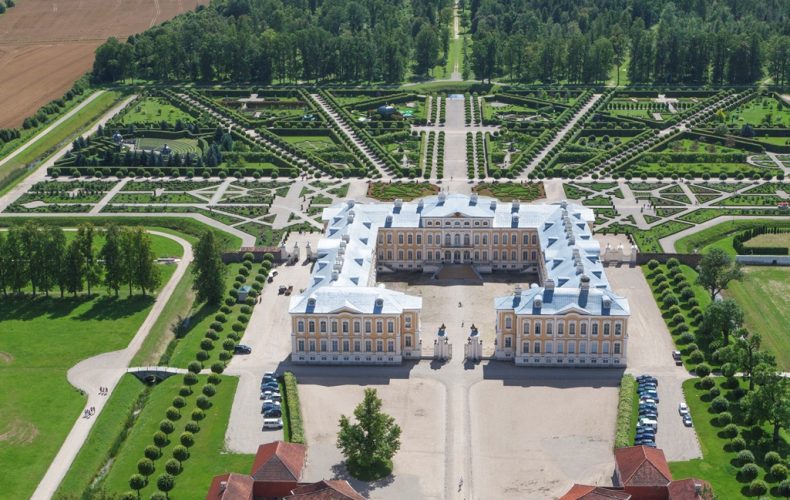
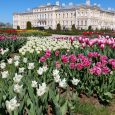
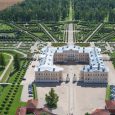
The French Garden of Rundāle Palace (10 ha) was laid out by the gardeners Christoph and Michael Weiland alongside the construction of the palace and restored during the museum’s existence, preserving the original layout by the architect Rastrelli. It now contains all the elements of a Baroque garden: ornamental parterre, fountain, Green Theatre, bosquettes, pergolas, pavilions and labyrinth. The rose garden has been landscaped (around 2200 varieties), a collection of ornamental trees and shrubs has been created, and plantings of 18th-century summer flowers and perennials have been established. The Rundāle Palace ensemble covers a total area of 85 hectares.
The Rundāle Palace ensemble rises in the Zemgale plain, in an unspoilt rural landscape, thus preserving the architect’s original idea – the palace at the centre of everything, as a symbol of the ruler’s power, from which the avenues go on into infinity.
OFFERS AND PRICES
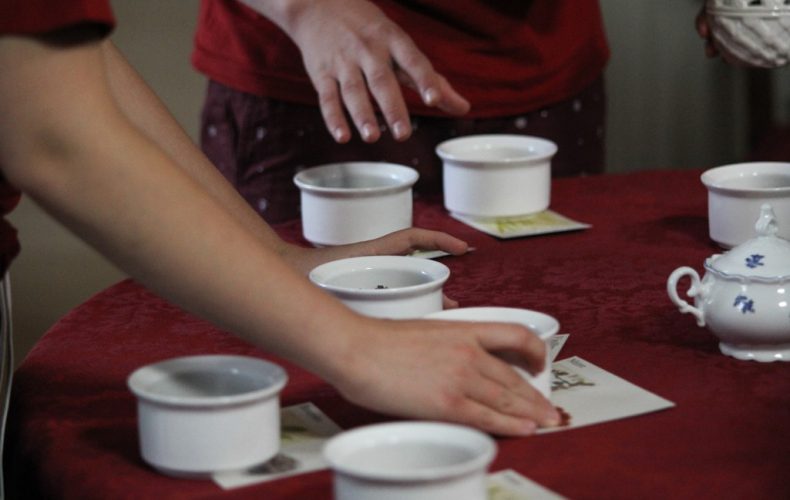
Museum-educational programme “Vases of scents – poppies”
The word ” pot-pourri” directly translated from French means “rotten pot”. It was first mentioned in the 17th century by the writer Flauthier. It was indeed a mixture of fermented or decayed plants.
For the ladies, making poppies became a real passion. The mixture was started in the spring when the first flowers appeared and continued to be added to until late autumn, from time to time adding parts of different plants. The animal scents – musk (from musk deer), civet (from civet), ambergris (from whale) and castor (from beaver) – were indispensable ingredients. Alcohol-based perfume waters, essential oils and salt were added to the mixture to have a preservative effect. The fermentation of the mixture gave off a pleasant aroma. The finished mixture was placed in perfume vases, also called popuri.
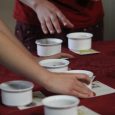
The aim of the museum education programme was to educate participants about the history of poppies, the fragrance plants used in them and other ingredients in a creative and interactive way, using the museum’s collection and hands-on activities. The first part introduces participants to a brief history of hygiene and looks at the collection of perfume vases in the Duchess’s apartments, while the second part introduces them to the herbs used in poppies through various tasks in teams.
The target audience of the museum-educational programme is pupils in grades 5-12.
The price of the museum education programmes is EUR 10.00 per group.
For a group of pupils it is additionally necessary to purchase entrance tickets for the Duchess’s Apartments.
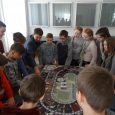
EDUCATIONAL TABLE GAME – included in the Latvian School Bag programme
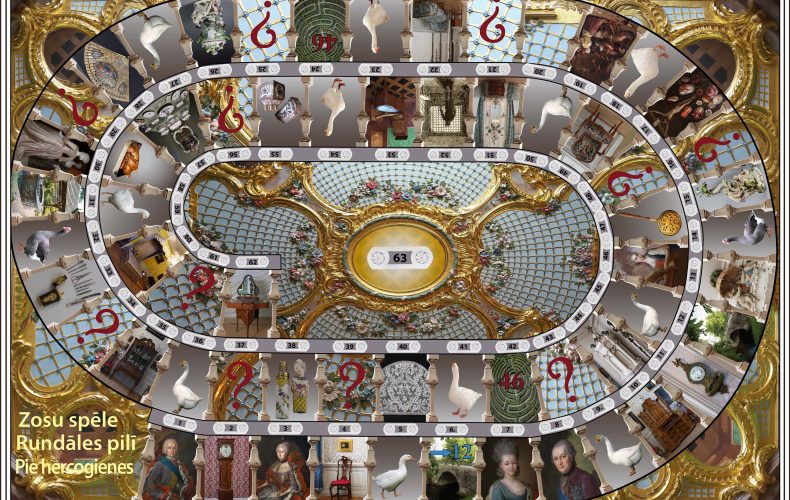
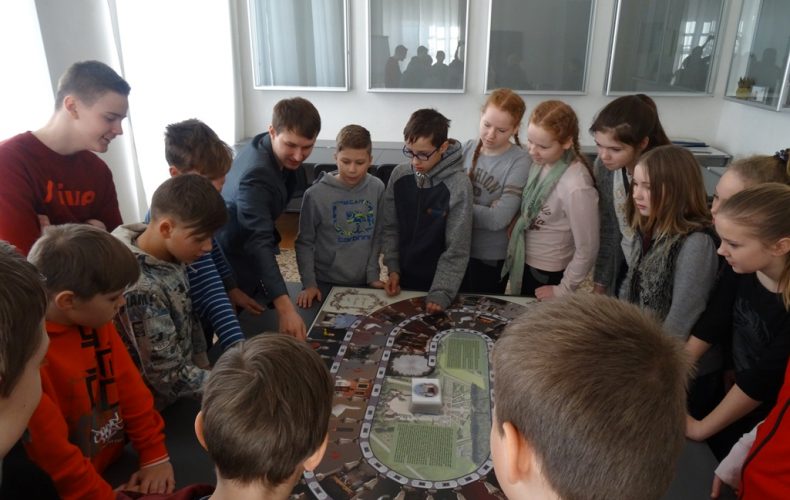
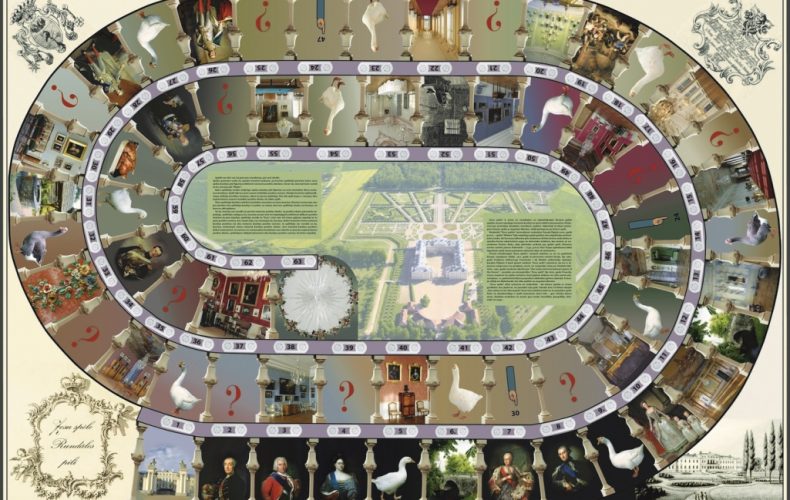
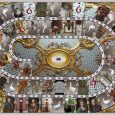
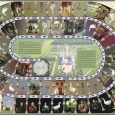
The board game “Get to Know Rundāle Palace” is based on the historical “Game of Goose” or “Game of Fortune”. The historical game fields are complemented by fields that allow participants to make additional moves. The theme of the game is Rundāle Palace: historical facts, interior elements, important personalities.
The guide’s narration includes all the information needed to answer the questions included in the game.
The game is available in two variants “Goose Game at Rundāle Palace” and “ Goose Game at the Duchess of Rundāle Palace”.
Cost
The price of the museum educational programme is EUR 10.00 per group
To take a tour of the “Small Circle”, “Big Circle” or the private apartments of the Duchess, a group of pupils must purchase entrance tickets to the exhibition.
Part I “Goose Game at Rundāle Palace”
The game includes questions about historical facts, interior elements, important personalities.
To prepare for the game, pupils need to go on the excursion “Mazais loks”.
Part II “Goose Game at the Duchess of Rundāle Palace”
The theme of the game is life in the Duchess’s apartments. The game includes questions about interior features, important personalities, everyday activities and fashion.
To prepare for the game, students need to go on a tour of the Duchess’s private apartments.
GUIDED TOURS:
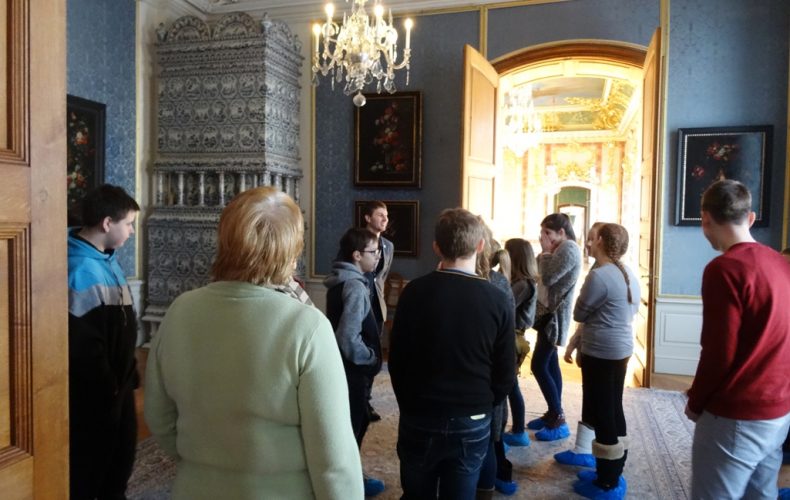
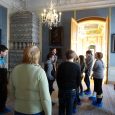
THE LITTLE BOW – includes the parade hall complex and the Duke’s parade apartments.
LARGE BOW – includes the Parade Hall complex, the Duke’s Parade Apartments, the Duke’s Private Apartments and the Duchess’s Apartments.
Duration of the tour through the SMALL BOW: 45 min to 1h
Duration of the tour of the LARGE BOW: 1 to 2 h
Payment for the guide service in cash or by prepaid bank transfer:
for a group of students 36,00euro
Important
The maximum number of persons in a group is 48, if the number of persons is higher, the group must be divided into two.
Admission to the museum is free for one teacher accompanying at least 10 pupils. Groups of learners must be accompanied by one adult for every 10 pre-primary, primary or 15 secondary school learners.
Tours must be booked at least 3 days in advance.
Permanent exhibitions:
Exhibition ” The Von Burr Family in Kurzeme”
Exhibition ” Kurzeme People in 18th Century Portraits”
Exhibition “Duchess Dorothea of Courland and the family of Count Maedem”
Exhibition “18th Century Fashion”
Sarcophagus exhibition ” Pompa funebris” (funerary art)
Permanent free exhibitions:
Exhibition “Construction History of Rundāle Palace”
Exhibition “Stone and Metal Forgings in Latvia”
Exhibition ” Door and Window Claddings in Latvia in the 18th and 19th Centuries”
Exhibition “Flowers in the Baroque Garden”
Exhibition “Green Glass”
Exhibition “Castle Kitchen”
Photo from the Rundāle Palace Museum archive.