ABOUT THE MUSEUM
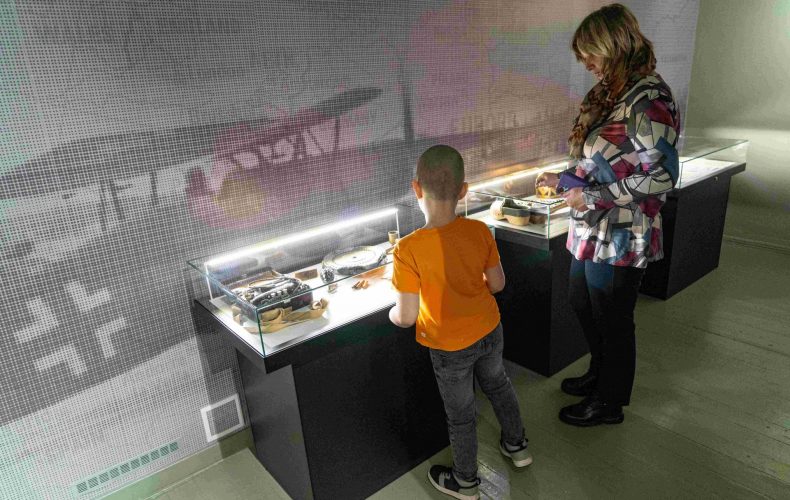
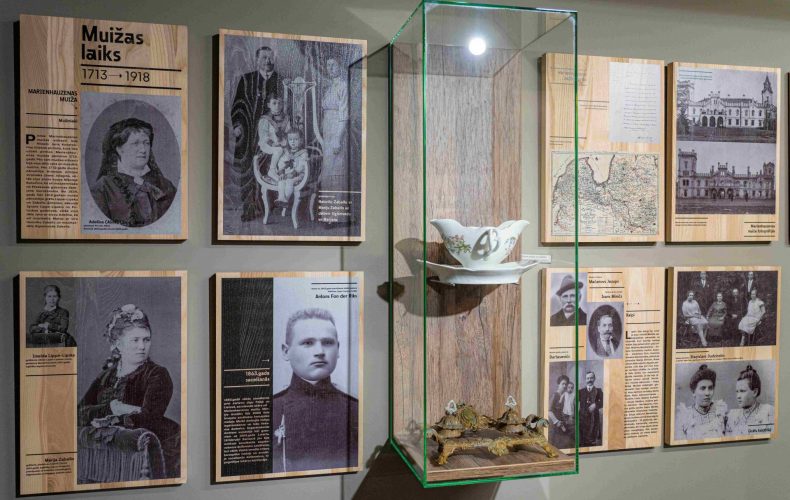
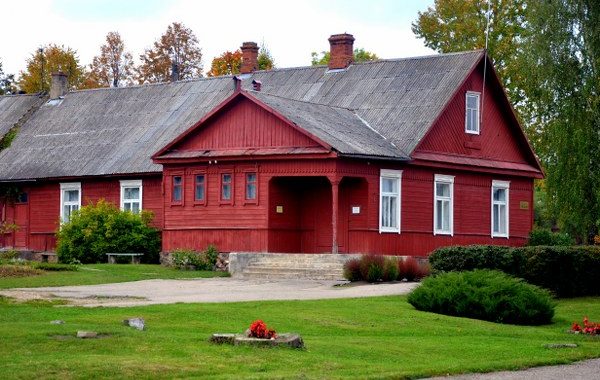
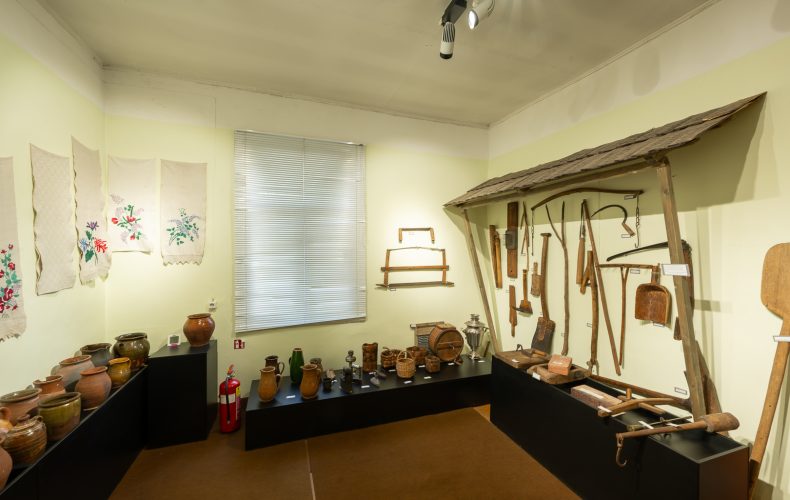
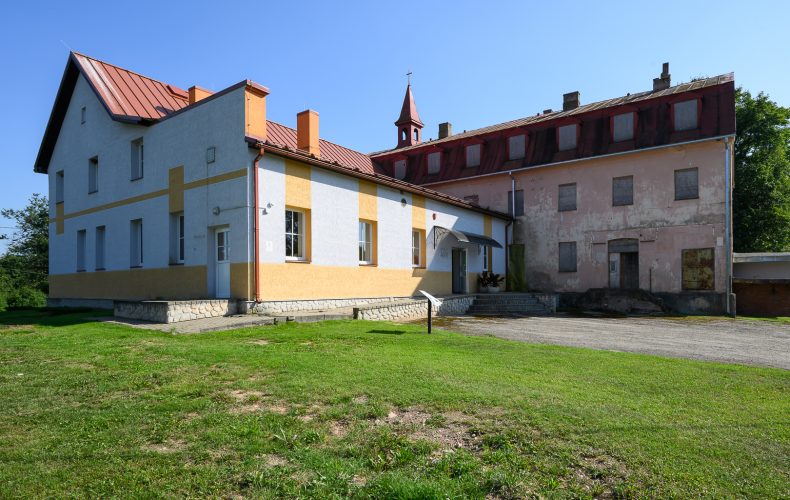
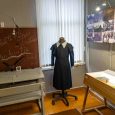
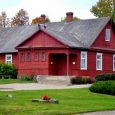
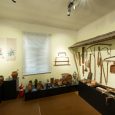
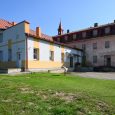
The Viļaka Museum is located in the Catholic parish house, built in 1913, which is popularly known as the “Hall of Light” because of its importance, and in the former building of the Capuchin monastery. The museum reflects the history of Viļaka and its immediate surroundings from the 13th century to the 18th century. The most important events, personalities and testimonies of the era. The museum displays ethnographic materials characteristic of the region: tools, local pottery, woven textiles, etc., which give an insight into the everyday life of the people of the former Viļaka region.
EXHIBITIONS
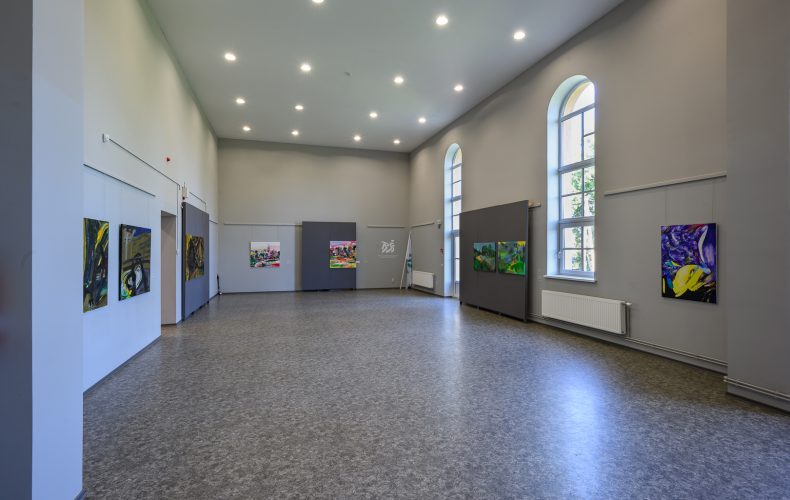
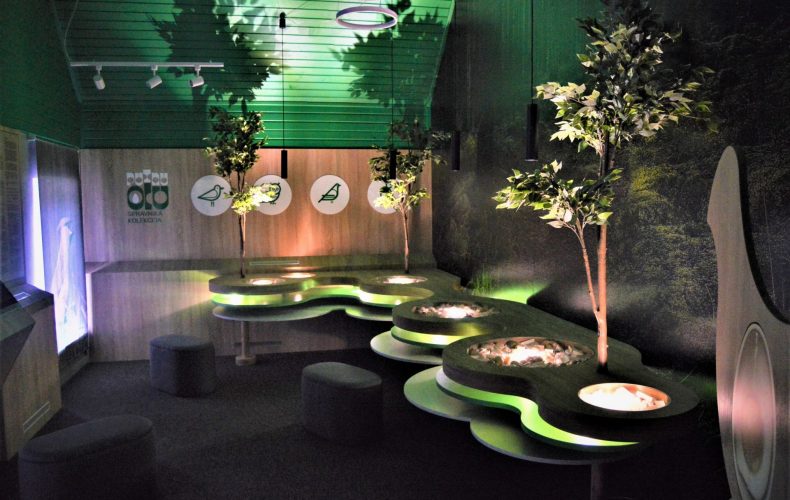
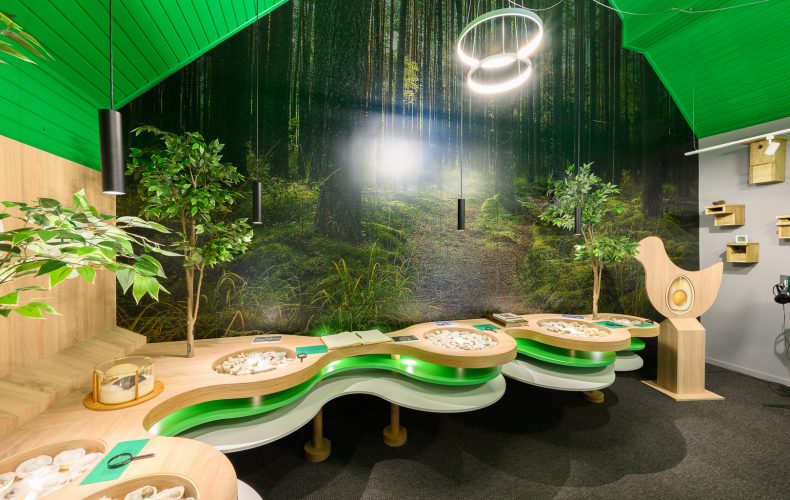
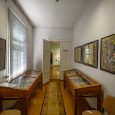
In the formermonastery building, you can see art exhibitions and the works of the local “Ed. The collection of Latvian bird eggs”. Edvard Spavnik was a well-known ornithologist. His collection of Latvian bird eggs is one of the most valuable nature collections in Latvia. He started collecting bird eggs in 1928 and the last eggs were added in 1941. For a long time, from 1974 to August 2014, the bird egg collection was housed at the Latvian Centre in Toronto. The exhibition features 636 bird eggs from 130 Latvian and exotic bird species.
“The White Room” will tell you about the history of the region’s Christian congregations – Catholic, Orthodox and Lutheran. The memorial room dedicated to Catholic bishops Kazimir Dulbinski and Valerian Zondak displays clergy paraphernalia and personal belongings.
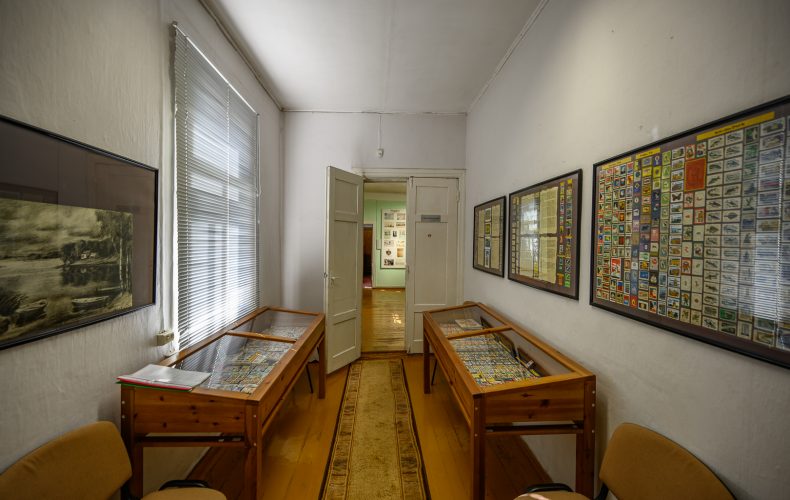
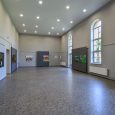
In the museum’s exhibition hall “History of Viļaka in the Turns of Time”, you can see a collection of money covering the period from the 18th century to 2013. The museum’s collection of Jānis Laicāns philumenia, which includes more than 1500 matchbox labels from the Soviet Union and other countries, is of great importance.
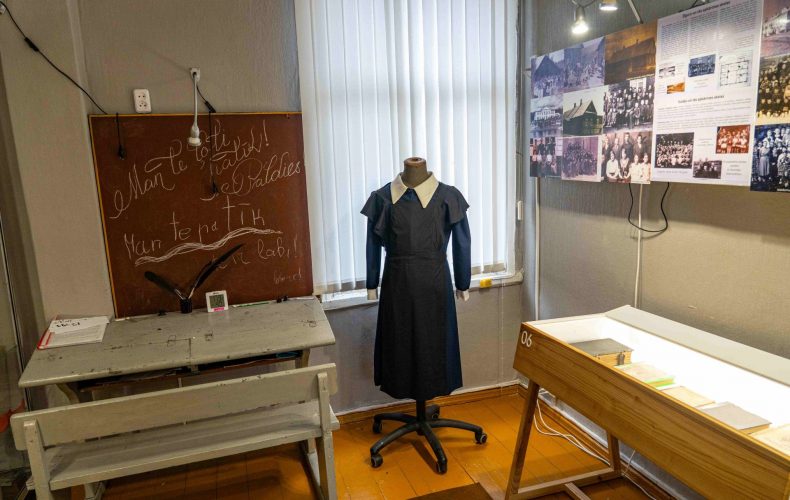
“History of schools in Viļaka”, where you can find information on about 35 former and existing schools in the Viļaka area.
MUSEUM EDUCATIONAL PROGRAMMES
1. “What the Land Tells” (spring, autumn)
We invite you to learn about the science of archaeology and its role in the study of ancient history. Students will have the opportunity to become archaeologists themselves and carry out simulated archaeological excavations that lead to the discovery of ancient artefacts. Programme duration: 40 min; Programme for: grades 6-12
2. “Museum object – the path to display and exhibition”
We will learn about the path of a museum object from its arrival at the museum to its display or exhibition. Students can take on the role of museum staff and learn together how to handle and analyse museum objects and how to create a small exhibition from the museum objects on offer. Duration: 40 min; Programme for: 1st-12th grade
3. “Money as a source of history”
Money has always been important, not only as a means of payment, but also as a source of history. Pupils have the opportunity to see and learn about money used in Latvia from the 18th century to the present day. Together we analyse and try to create a time line of money. Duration: 40 min; Programme for: grades 6-12
4. “Ancient Tools and Household Objects”
Before the development of technology, people made everything they needed for work and everyday life themselves. People knew various ancient skills. We invite students to get to know the everyday life of their ancestors through activities. Programme duration: 40 min; Programme for: 1st-6th grade
PRICES
- adults 2 EUR;
- children 1 EUR;
- family ticket (2 adults+children) 4 EUR;
- with Honoured Family Card (3+ family card) adults 1 EUR, children 0,50 EUR.
- Free admission for people with disabilities, children of Balvi region, children under 7 years of age.