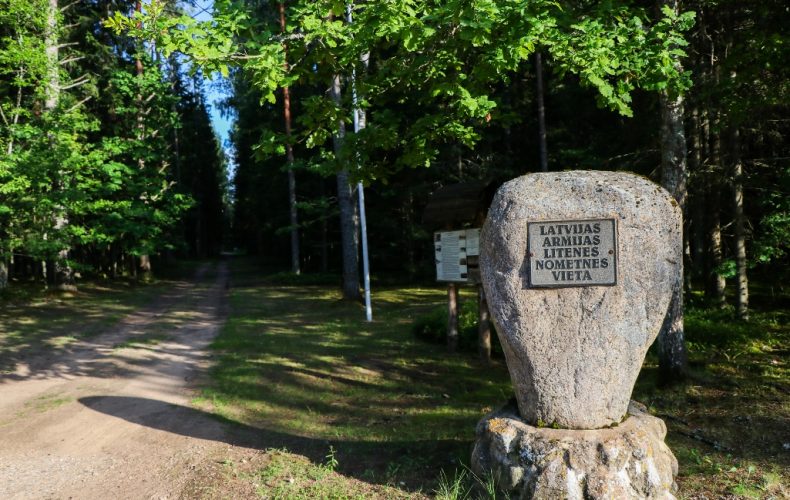
The name of Litene has been associated with the tragic fate of the officers of the Latvian army for some time in the history of Latvia. In Litene parish, in a pine grove on the banks of the picturesque Pededze river, during the Latvian Free State in the 20th century. At the end of the 1930s there was a summer camp of the Latvian Army. Here, stigas were cut, roads were built, wells drilled, wooden barracks and kitchens were built, a strong wooden bridge across the Pededza was built, and a modern polygon was located nearby. From May to autumn, several thousand recruits learned combat tactics and marksmanship, familiarised themselves with the hardships of a field camp and toughened up physically and mentally.
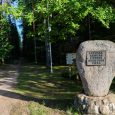
In the summer of 1941, Stalinist terror was directed against Latvian officers in the camp. Less than half a thousand Latvian officers were sent to Norilsk in Siberia, some were shot and secretly buried in the nearby forest. In the late summer of 1941, about 200 peaceful people, mostly Jews, were shot on the orders of Hitler’s German army near this place.
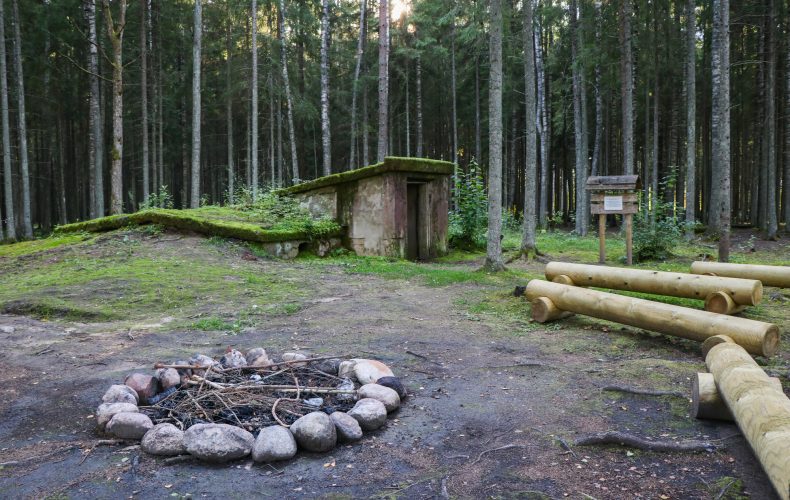
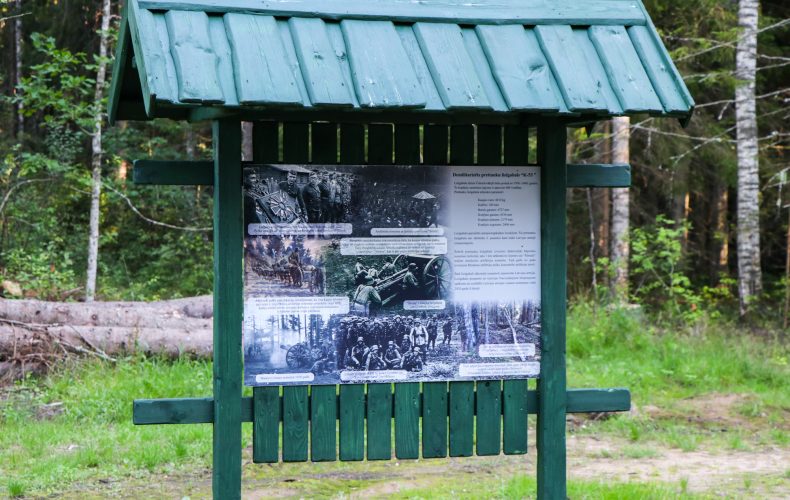
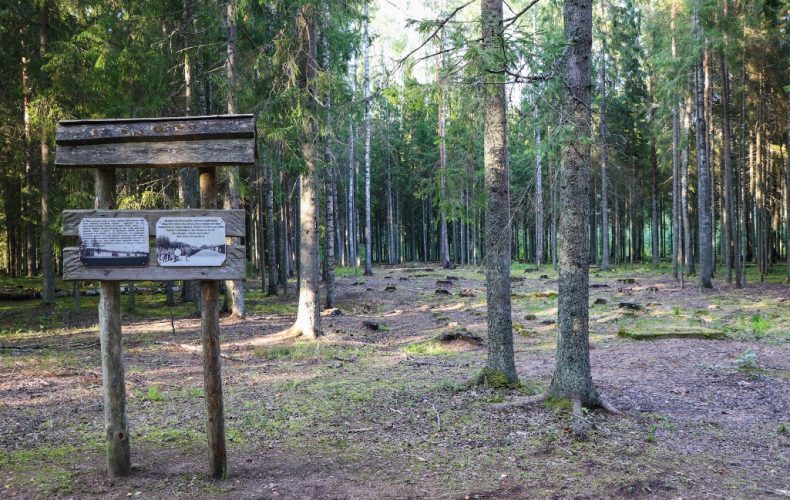
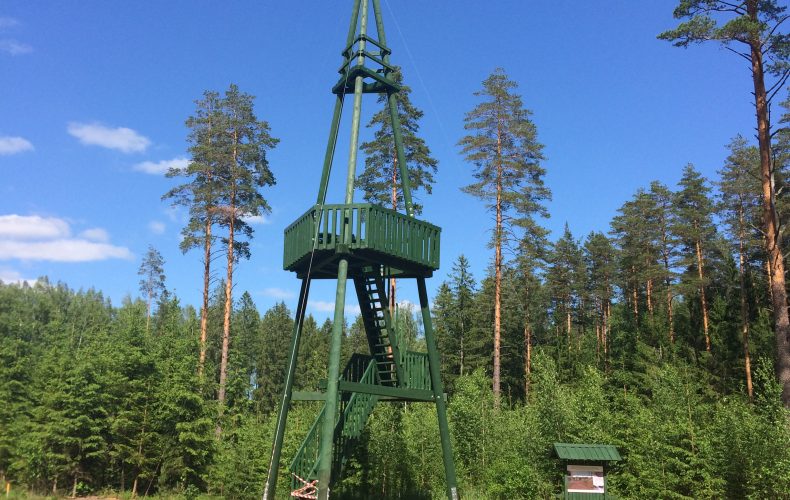
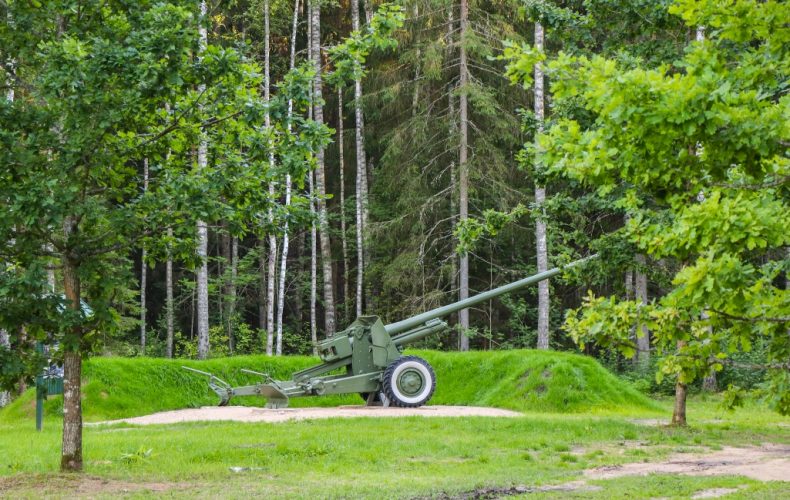
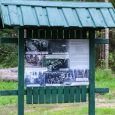
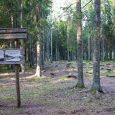
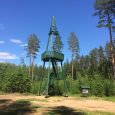
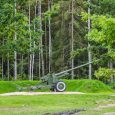
In the summer of 2020, the site of the Latvian army’s Litene camp was improved by installing wooden benches and information boards with an audio guide, a fireplace where you can enjoy a takeaway meal in a special historical atmosphere, and a flagpole with a viewing platform. A demilitarised cannon, supported by the Ministry of Defence and the National Armed Forces, complements the historic site.This anti-tank gun is not identical to those used by the Latvian army during World War II, but such guns were originally used by the restored Latvian army.
Photo from the Gulbene TIC archive