About the
museum
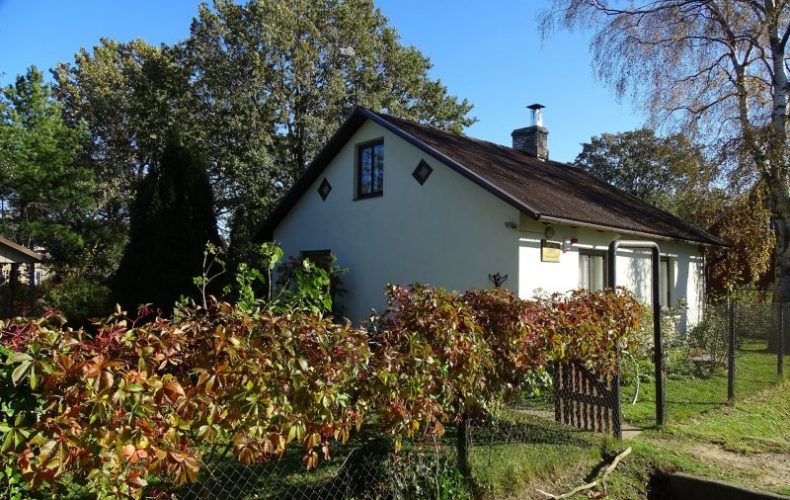
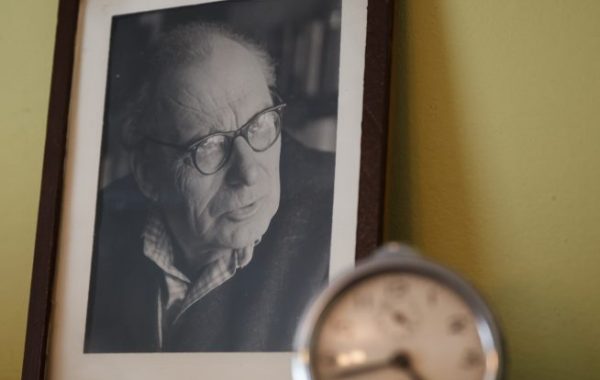
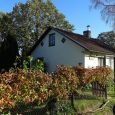
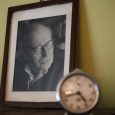
The H. Dorbe Memorial Museum “Senču putekļi” was opened on 19 May 1989 as a memorial to the Ventspils writer, translator, teacher and local historian Herbert Dorbe (1894–1983).
The name ‘Senču putekļi’ was inspired by the writer’s collection of ethnographic artefacts, which he donated to the Ventspils Museum in 1970. Herbert Dorbe described the construction of the house, the origin of its name and the creation of the garden in his book *Savu bēniņu direktors* (The Director of My Attic).
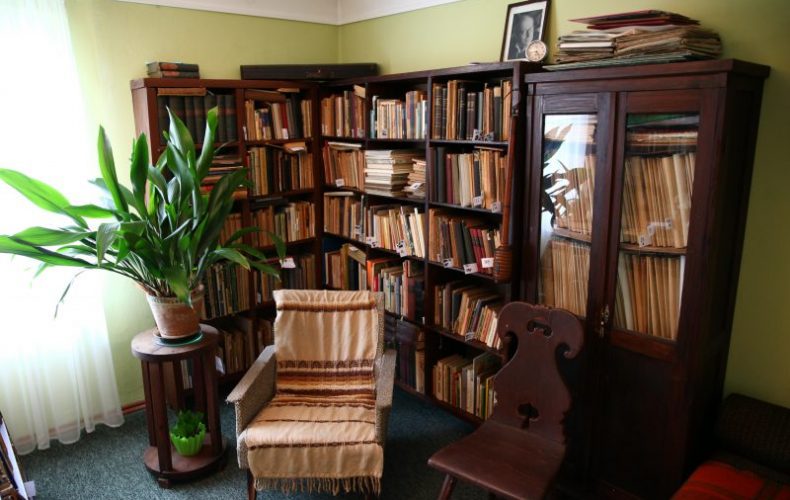
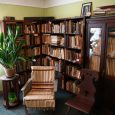
A significant part of the museum’s collection comprises the writer’s library, manuscripts and the furnishings of his study. The exhibition provides an insight into the life and work of Herberts Dorbe, as well as the history of writers, cultural figures and schools in Ventspils and the surrounding region.
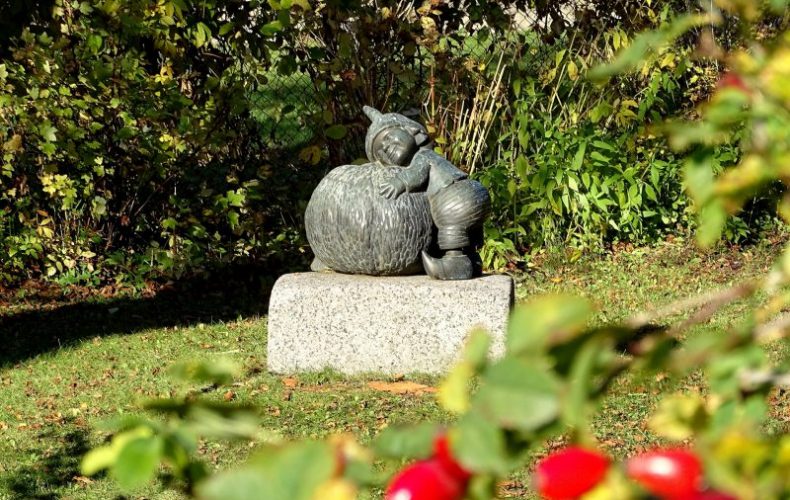
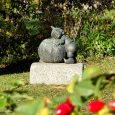
Dorbe’s garden is a popular venue for meetings and activities for pupils from Ventspils’ schools and nurseries. Since 2002, the garden has been adorned by the sculpture ‘Rūķis Knauķis’ by the sculptor Krišs Erdmanis.
Admission to the museum is free. Group visits must be booked in advance.
Offers for schoolchildren
The museum offers educational programmes for pre-schoolers, primary school pupils, secondary school pupils and sixth-formers. During the sessions, participants can learn about Herbert Dorbe’s life and literary legacy, explore themes from the writer’s works, examine old textbooks and discover the museum garden.
Several educational programmes are included in the cultural education programme ‘Latvian School Bag’.
Educational programmes
Target audience: primary and secondary school pupils.
During the session, pupils learn about Herbert Dorbe’s life and work after he lost his sight, when the writer continued to work using a special wooden board with raised lines.
Pupils examine the writer’s handwritten manuscripts, try to read them and, in the practical session, use replicas of Dorbe’s writing board whilst wearing opaque glasses to write text and learn the Latin letters in Braille.
The programme is included in the ‘Latvian School Bag’ offer.
Target audience: pupils in Years 8–9 and secondary school pupils.
During the lesson, pupils learn about cultural life in Ventspils during the final stages of the Second World War, from 1944–1945 and learn about notable cultural figures who were living in Ventspils at the time and influenced the local cultural scene.
The lesson draws on the memoirs of Dagnija Zigmonte, Gunārs Priede’s play *Centrifuge* and Skaidrīte Kaldupe’s first published poem.
The programme is included in the ‘Latvian School Bag’ offer.
Target audience: pre-school and primary school children.
At the start of the session, participants are introduced to Herbert Dorbe’s children’s poetry and literary fairy tales. The children listen to the literary fairy tale *It Happened on Catpaw Boulevard* and then take part in hands-on activities.
Participants can choose to do jigsaw puzzles featuring illustrations from the tale or play a card game based on the characters from the book.
The programme is included in the “Latvian School Bag” offer.
Target audience: pre-school children who are already familiar with the alphabet.
During the session, children are introduced to the ‘Gaismiņa’ alphabet compiled by Herbert Dorbe and compare it with modern alphabets.
In the practical part, participants arrange letters according to pictures, form words and read texts together from the alphabet compiled by Herbert Dorbe.
Target audience: primary school pupils.
Pupils learn about Herbert Dorbe’s life story, childhood and literary legacy for children.
The lesson draws on the author’s memoir *Childhood, I Greet You* and his children’s poetry, in which family plays a significant role.
The programme is included in the ‘Latvian School Bag’ offer.
Target audience: primary school pupils.
The programme is based on Herbert Dorbe’s book *Aina and Her Little Brother Are Looking for a Chick*. This fairy tale in verse, illustrated by Margarita Stāraste, tells the story of Tuku the chick, who sets off to explore the world.
Pupils visit the author’s study, where the story was written, listen to an excerpt from the book read by Intars Busulis, and discuss the lessons conveyed in the story together.
The programme is included in the ‘Latvian School Bag’ offer.
Target audience: primary school pupils.
During the session, participants are introduced to Herbert Dorbe’s children’s poetry, written in the 1920s and dedicated to the writer’s eldest daughter, Izolde, whom the family called Iza.
Pupils learn to recognise and create rhymes, look for them in Herbert Dorbe’s poems and are given worksheets to continue exploring the topic at school.
The programme is included in the ‘Latvian School Bag’ offer.
Target audience: pre-school, primary school and Year 5–6 pupils.
The programme is linked to Herbert Dorbe’s collection of stories *The Director of My Attic*, in which the writer describes the creation of his home and garden.
Pupils work in groups, choose trees growing in the museum garden, learn about how they came to be in the Dorbe family’s garden, and create their own stories.
The programme is included in the ‘Latvian School Bag’ OFFER.
Prices and group sizes
- Museum tour – free of charge.
- Educational programme at the museum – 20 EUR per group.
- Outreach session – 30 EUR per group.
- Maximum number of participants in an in-person group – 25 participants.
- Maximum number of participants in a remote session – 30 participants.
The availability of specific educational programmes and the most suitable time for them must be agreed with the museum.
📞 Booking
Group visits and educational programmes must be booked in advance with the museum director and museum educator, Inese Aide.
Telephone: +371 29999653 or +371 63625004
Email: mailtoinese.aide@ventspils.lv
Group visits and educational programmes must be booked in advance.
Photo from the Ventspils Museum archive. Information updated in September 2026.