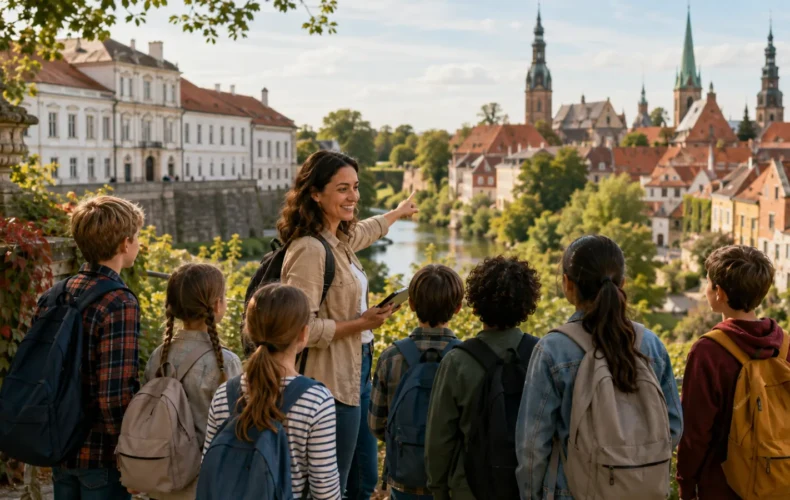
Where to go on a school trip? Ideas for learning, fun and team-building
A school trip can serve both as an extension of the learning process outside the classroom and as an opportunity for pupils to relax, get some exercise and get to know one another better. Latvia offers museums, science centres, nature trails, production facilities, creative workshops, historical sites and active leisure programmes for classes of all ages.
If you’re looking for ideas on where to go on a school trip, this page summarises the main types of excursions, offers practical advice on planning an itinerary and explains how to use the Skolenuekskursijas.lv search tool. Destinations can be selected by region, town, pupils’ age, theme, STEM subject area and participation in the “Latvian School Bag” programme.
Teachers can organise a trip independently by selecting one or more destinations, finding suitable transport or, if necessary, submitting a request for the trip to be organised.
🧭 On this page:
-
- How to start planning a school trip?
- Offers from the “Latvian School Bag” programme
- Museums, history and educational activities
- STEM, technology and natural sciences
- Creative workshops and masterclasses
- Class bonding and active recreation
- Nature trails and environmental education
- Manufacturing facilities, careers and entrepreneurship
- Castles, manor houses and sites of cultural and historical interest
- How to create a balanced itinerary?
- How to use the MI search tool?
- Organising an excursion
- Finding transport
- Teacher’s checklist
🗺️ How to start planning a school trip?
It is advisable to start planning a school trip by asking one key question – what should the pupils experience on this day? This could involve exploring a specific topic in greater depth, hands-on activities, learning about different careers, getting some fresh air, or building class cohesion.
Before selecting destinations, determine the most important criteria:
- the pupils’ age and class size;
- the preferred region or maximum number of rides;
- the main theme of the excursion;
- the available budget;
- whether you require an offer from the ‘Latvian School Bag’ programme;
- whether the class is looking for educational activities, active recreation, or a combination of both;
- whether a coach, catering or overnight accommodation is required.
For a one-day excursion, two or three main stops are usually sufficient. An overly packed programme can lead to rushing and fatigue, so time should be set aside between booked visits for travel, lunch and rest.
Open the school trip search tool
🎒 Offers from the ‘Latvian School Bag’ programme
The ‘Latvian School Bag’ programme’s offers allow pupils to explore Latvian culture, art, history, literature, music, theatre, architecture and other cultural fields. These attractions can be selected individually in the platform’s search tool, so teachers do not need to browse through all the options one by one.
In the search engine, tick the ‘School Bag’ box and then specify the region, town, pupils’ age or desired topic. The search results allow you to compare various museums, theatres, sites of cultural and historical interest, and educational programmes.
- If the excursion is related to Latvian history, look for museums, castles, memorial sites and local history programmes.
- For a literature-themed trip, choose museums dedicated to writers and poets, theatre performances or language-related activities.
- For an arts and culture focus, art museums, exhibitions, concerts, cinema and creative workshops are ideal.
- If you wish to combine a cultural experience with a shared class adventure, include an active or creative activity in your itinerary.
View the ‘Latvian School Bag’ offers
🏛️ Museums, history and educational sessions
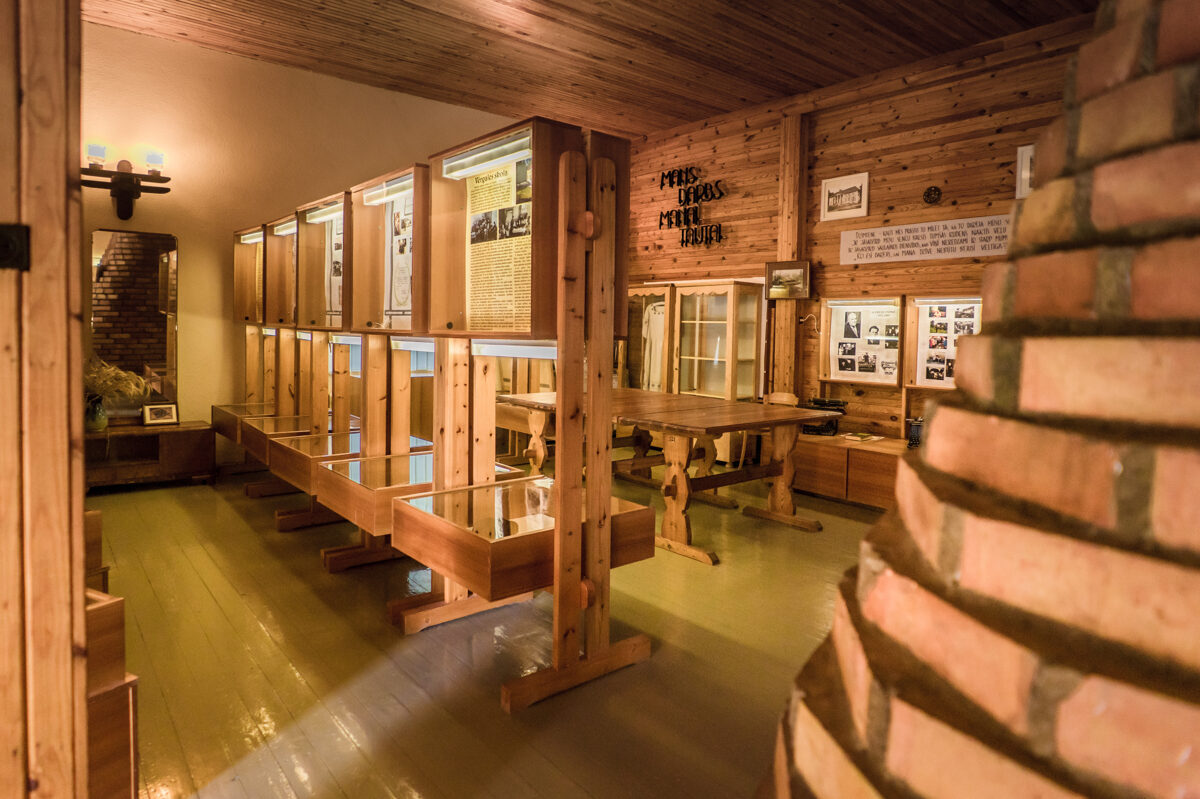
Museums and historical sites are ideal for classes wishing to supplement what they have learnt at school with authentic settings, artefacts, people’s life stories and practical tasks. In many places, traditional guided tours are complemented by museum education programmes, games and creative workshops.
- Museums – exhibitions on history, art, natural sciences, technology and local history.
- Museum education – programmes tailored to pupils’ ages, featuring tasks and hands-on activities.
- Latvian history – places where you can learn about the formation of the state, wars, periods of occupation and the restoration of independence.
- Local history – the people, traditions, events and cultural environment of a specific region.
- Museums of writers and poets – an opportunity to explore literature in the author’s home and amongst their personal belongings.
Idea for an itinerary: combine a museum session with a walk around a nearby town, a creative workshop or a small group activity. This helps to keep pupils engaged throughout the day.
🔬 STEM, technology and natural sciences
STEM excursions are ideal for classes wishing to explore science, technology, engineering and mathematics in a hands-on way. At science centres, technology museums, observatories, manufacturing sites and natural science exhibitions, pupils can carry out experiments, watch demonstrations and discover how theoretical knowledge works in practice.
- STEM activities – experiments, technology and hands-on learning tasks.
- Physics – motion, energy, light, sound and other processes.
- Chemistry– properties of substances, chemical reactions and practical sessions.
- Biology – the human body, plants, animals and ecosystems.
- Technology – vehicles, mechanisms, industry and inventions.
- Planetariums – astronomy, space and celestial bodies.
You can also use the STEM filter in the search function to find lessons suitable for a specific subject or topic more quickly.
Search for STEM excursion offers
🎨 Creative workshops and masterclasses
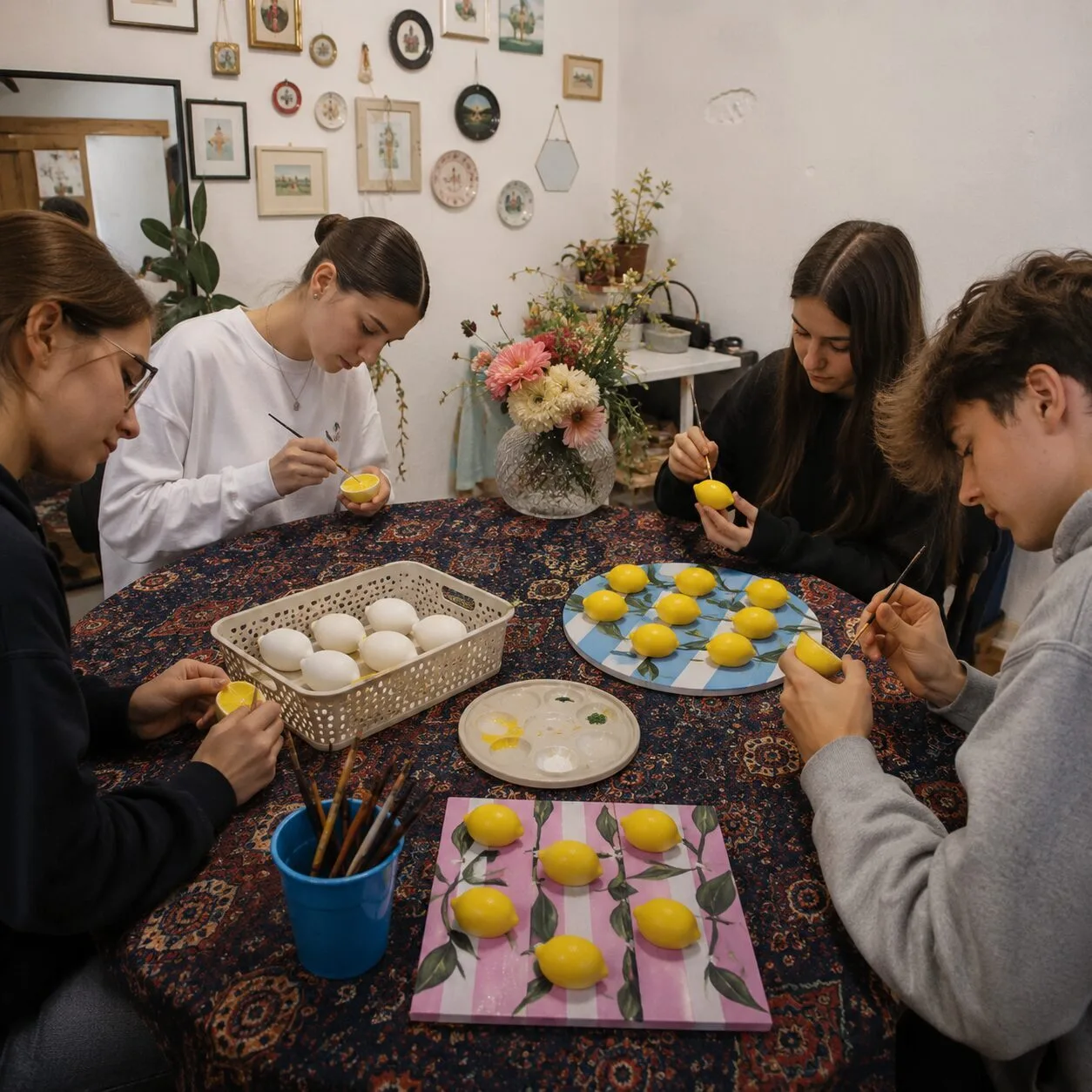
Creative workshops allow pupils to learn by doing. They offer an opportunity to explore art, crafts, design, food production and traditional trades, whilst developing patience, imagination and practical skills.
- Creative workshops – drawing, painting, decorating and making various objects.
- Masterclasses – structured practical sessions led by a guide or master craftsman.
- Crafts – pottery, woodwork, weaving and learning traditional skills.
- Tastings – exploring local produce, food production and flavours.
- Traditions – Latvian crafts, seasonal customs and cultural heritage.
Idea for an itinerary: complement an educational museum or history programme with a workshop where pupils create their own piece of work, which they can take home after the excursion.
🤝 Class bonding and active recreation
Class bonding activities are particularly useful at the start of the school year, following changes to the class composition, or before a joint learning module. Team games help pupils to cooperate, share responsibilities, agree on joint actions and get to know their classmates better.
A team-building activity does not necessarily have to be a sporting competition. It could be an adventure game, orienteering, a quest, a virtual reality challenge, climbing, creative teamwork or collaborative problem-solving.
- Team-building activities – offers specially designed for classes and organised groups.
- Adventure games – physical activity, challenges and teamwork.
- Quests – puzzles, clues and working together to find solutions.
- Lasertag – an active team game, indoors or outdoors.
- Tree-top courses – testing individual skills and mutual support.
- Indoor active recreation – also suitable in autumn, winter and in changeable weather.
Idea for an itinerary: in the first part of the day, choose a museum, science centre or factory, and after lunch, plan an active team-building programme. This sequence allows you to combine focused learning with physical activity and entertainment.
🌿 Nature trails and environmental education
A nature excursion helps pupils get some exercise, observe their surroundings and learn about natural science topics in a hands-on way. Many locations offer guided sessions, orienteering tasks, species identification and environmental education programmes.
- Nature trails – routes of varying lengths for school classes and groups of pupils.
- Nature parks – landscapes, protected areas and educational facilities.
- Environmental education – lessons on forests, water, climate and ecosystems.
- Viewing towers – short stops and scenery viewing.
Before choosing a nature trail, check the length of the trail, the surface, the weather forecast, facilities and bus parking options. If rain is likely, also plan for an alternative indoor attraction.
🏭 Production facilities, careers and entrepreneurship
Visits to production facilities and businesses help pupils understand how an idea, materials and the production process come together to create a finished product. Such rides are suitable for both younger pupils and teenagers who are beginning to think about their future career choices.
- Production facilities – businesses in the food, craft, manufacturing and other sectors.
- Career exploration – an opportunity to learn about job responsibilities and the skills required.
- Tastings – comparing products and exploring flavours.
Idea for an itinerary: a visit to a production facility can be combined with a nearby museum, nature trail or outdoor activity venue. Before booking, check whether the production process will be on display on the chosen day.
🏰 Castles, manor houses and sites of cultural and historical interest
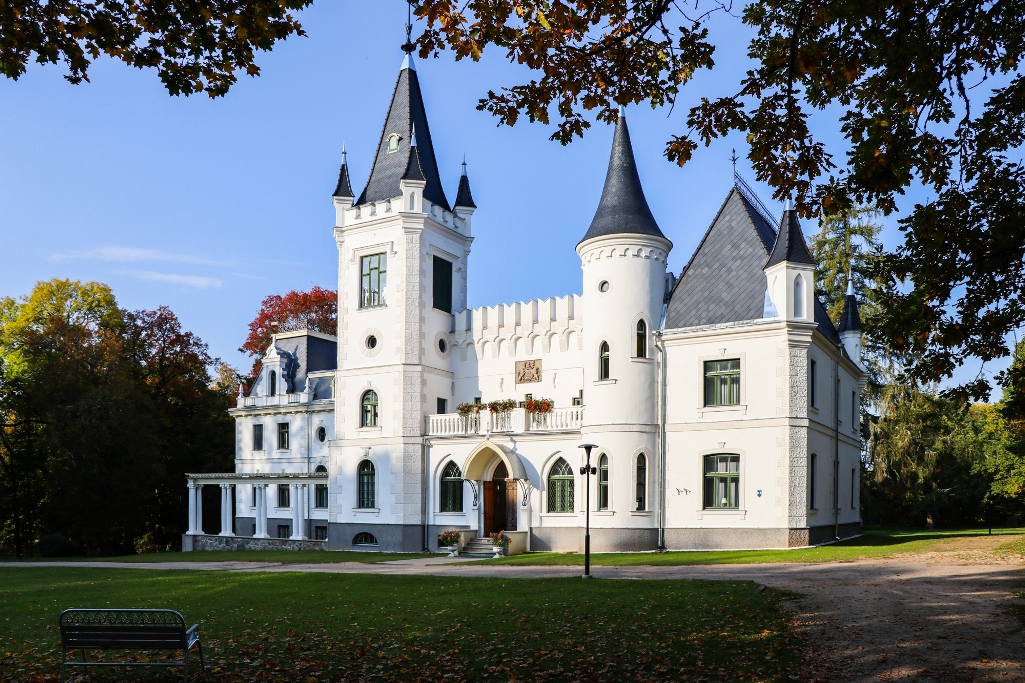
Castles and manor houses allow pupils to explore history in an authentic setting. Many offer dramatised tours, treasure hunts, historical costume programmes and craft workshops.
- Castles – architecture, history and lifestyles from different eras.
- Manor houses – cultural environment, parks and stories of local families.
- Castle ruins – medieval history and educational walks.
- Architecture – architectural styles, restoration and the preservation of cultural heritage.
Idea for an itinerary: complement a visit to a castle or manor house with a walk in the park, an orienteering activity or a creative workshop. This way, pupils don’t just listen to the guide’s narrative, but get involved themselves.
🚌 How to create a well-balanced excursion itinerary?
In a well-planned excursion, learning is combined with physical activity, hands-on activities and relaxation. There’s no need to cram in as many attractions as possible in a single day. It’s more important to choose attractions that complement one another and to allow enough time for each activity.
Learning and team-building
- a museum, science centre or historical site;
- lunch break;
- team game, treasure hunt or active leisure programme.
Manufacturing and hands-on activities
- a tour of a production facility or business;
- tasting or a masterclass;
- a short nature walk or city stroll.
Culture and creativity
- an event as part of the ‘Latvian School Bag’ programme;
- a creative workshop;
- a walk through the historic centre or a park.
Nature and exercise
- an environmental education session;
- a picnic or lunch break;
- an orienteering or adventure trail.
You should usually allow around 1–2 hours for each full-scale attraction. Leave at least 20–30 minutes between bookings for travel time, and a small time buffer for any unexpected delays.
🤖 How to use the MI search tool to plan an excursion?
If you don’t yet know a specific destination, use the platform’s search function. Instead of selecting several filters individually, use the search box to describe the sort of excursion you’re looking for in free text.
To get more accurate results, specify:
- the region or town;
- the pupils’ age or year group;
- the preferred activity;
- the topic of study;
- whether the ‘Latvian School Bag’ programme is required;
- whether you are looking for educational activities, active recreation or team-building;
- how long you plan for the excursion to be.
Examples of MI searches:
- “Ideas for a Year 5 school trip to Vidzeme including a museum visit and a team-building activity.”
- “‘Latvian School Bag’ programme for Year 8 in Riga on Latvian history.”
- “A STEM excursion for Year 6 in Zemgale, including a practical session.”
- “A full-day excursion in Latgale for 20 pupils, including a museum visit and outdoor activities.”
- “A trip for primary school pupils near Riga featuring animals and a creative workshop.”
The MI search engine can offer not only individual attractions, but also excursion ideas prepared on the platform for the relevant region. Once you have received the results, open the attraction listings and check the programme duration, prices, age group, maximum number of participants and booking conditions.
Open the search tool and select ‘MI Search’
📋 Organising an excursion
Teachers can contact each selected attraction individually using the telephone number or email address provided in the listing. Before making a booking, please have the approximate date, number of pupils, age group, preferred programme and details of accompanying teachers to hand.
If you do not wish to coordinate multiple destinations yourself, you can use the ‘Book an excursion’ button on the individual excursion idea pages to submit an organisation request. In your request, please specify:
- the preferred date of the excursion;
- the school and contact person;
- the number of pupils and their average age;
- the preferred region or route;
- activities of interest;
- whether transport or guide services are required;
- any other important requirements.
The more precise the initial information is, the easier it will be to assess the availability of attractions and draw up a suitable itinerary for the class.
🚍 How do you arrange transport for a school trip?
If the excursion destinations are not located in the centre of a single town or if several stops are planned for the day, the most convenient solution is usually to book a coach. Transport service providers are listed in a separate category in the platform’s search function.
Before submitting your request, please have the following ready:
- the date of the ride;
- the departure and return locations;
- the approximate departure and return times;
- planned destinations and stops;
- the total number of passengers;
- information regarding luggage or special requirements.
When planning the route, check that it is safe for pupils to alight and board at each attraction, and that there is space to park the bus. In the centres of Riga, Old Riga and other towns, the bus may require a dedicated parking space.
Finding transport for a school trip
✅ Teacher’s pre-trip checklist
- The programme has been booked. Confirmation has been received from each destination.
- Times have been mutually agreed. Travel times and time buffers have been planned.
- Transport service confirmed. Precise route sent to the driver.
- Group size has been checked. It complies with the restrictions set by the attractions.
- Costs have been clarified. The prices of tickets, activities, the guide and transport are known.
- Lunch has been planned. Catering has been booked or a picnic spot has been arranged.
- Facilities have been checked. Particularly on nature and outdoor routes.
- The pupils’ ages have been assessed. The programme content and physical demands are suitable for the class.
- An alternative plan has been prepared. This is particularly important for outdoor activities.
- Pupils have been informed. They know what to wear, what to bring and the rules of conduct.
Find the most suitable excursion for your class
Skolenuekskursijas.lv brings together school trip destinations, educational programmes, active leisure opportunities and transport services all in one place. Use the classic filter if you already know your preferred region and theme, or the MI search if you need new ideas and suitable combinations of destinations.