ABOUT THE MUSEUM
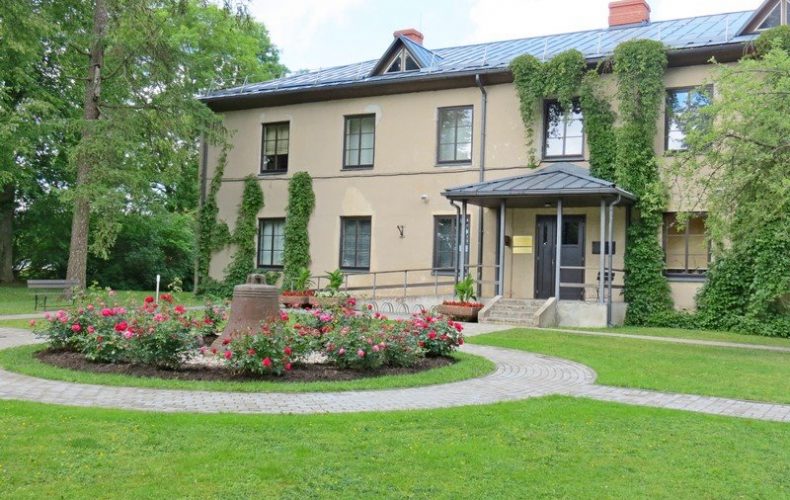
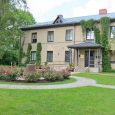
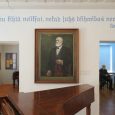
The building of the Valka Museum of Local History is a historical monument of national importance “Vidzeme Teachers’ Seminary”. It was built in 1850 – 1853 especially for the Vidzeme Parish School Teachers’ Seminary, according to the sketch of the Vidzeme Field School Adviser K.K.Ulmanis. The seminary was located here until its closure in 1890.
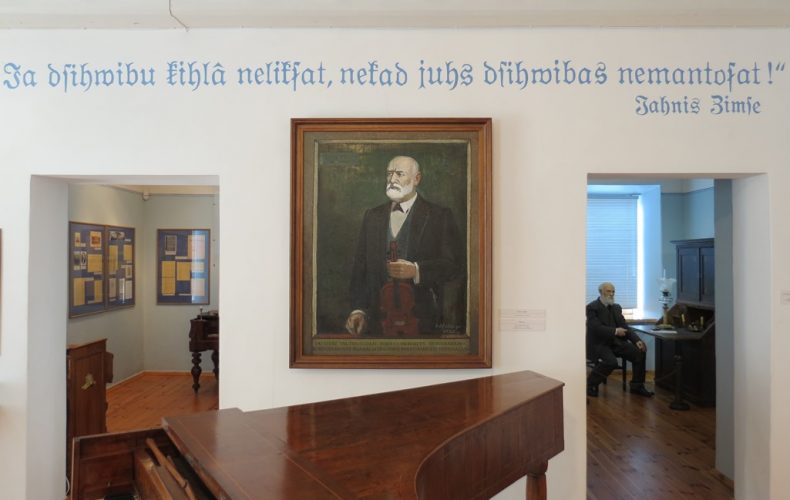
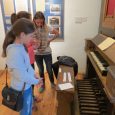
This is a very important place for both Latvians and Estonians. The seminary was the place where young men from the Latvian and Estonian part of Vidzeme were educated as parish teachers, assistant pastors and organists. From its foundation until his death, the Teachers’ Seminary was headed by the Latvian pedagogue and founder of choir culture, Jānis Cimze.
OFFER
Expositions
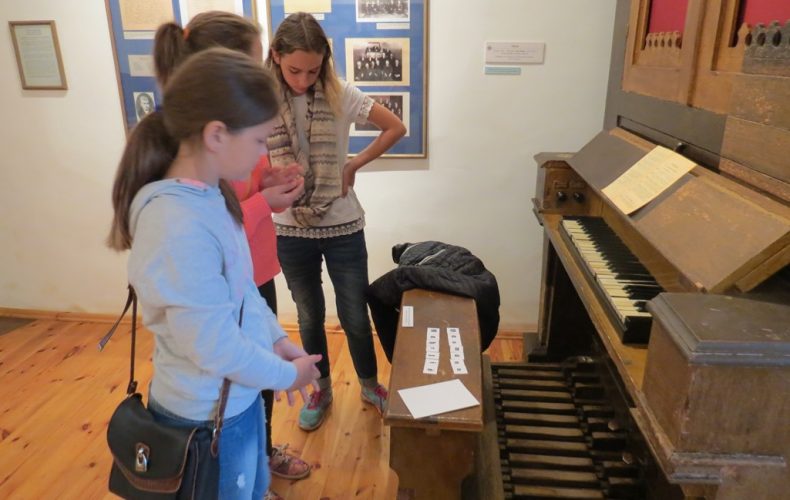
“Vidzeme Parish School Teachers’ Seminar and Cultural Educational Activities of its Students. mid-19th – 20th centuries. the history of the Valka-Lugazi region (late 18th century – early 20th century), the activities of Janis Cimze (1814-1881), a teacher and founder of Latvian choir culture, the teachers’ seminary he headed, and his pupils.
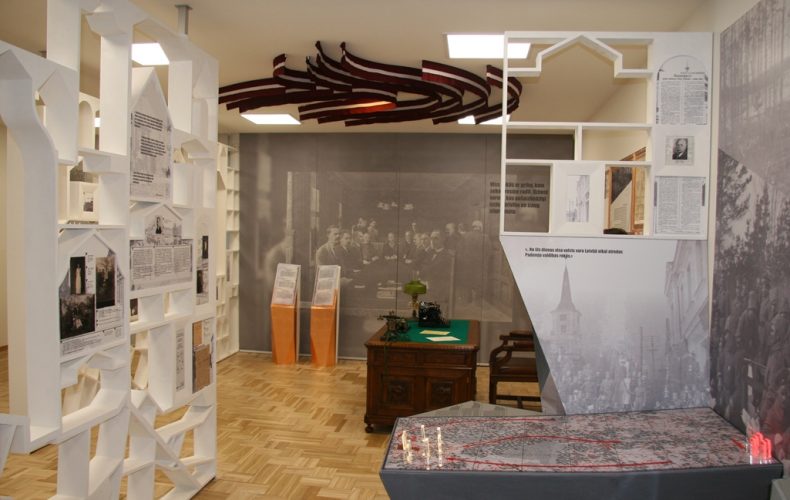
“Valka – The Cradle of Latvian Independence” is a story about the socio-political events in Valka from 1914 to 1920, when Latvians, like other nations, fulfilled the dream of their own state in 1918. Particular emphasis is placed on the preparations for the organisation of the Latvian state and the formation of the North Latvian Brigade in Valka.
Museum educational programmes
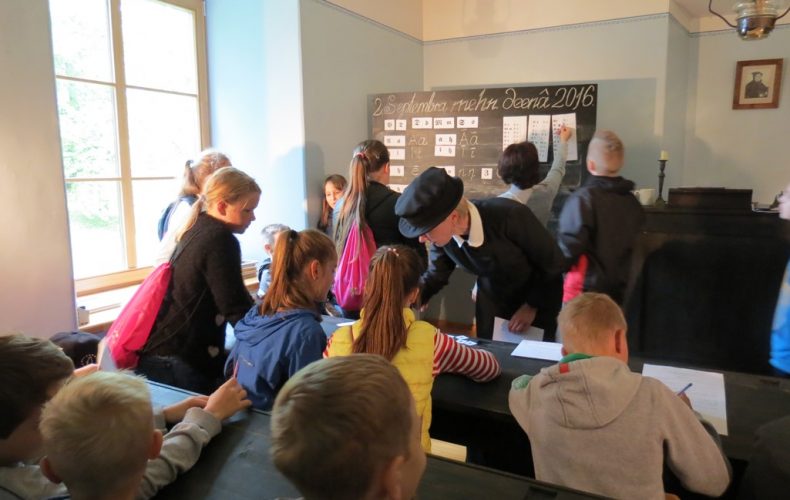
- “Lesson in the Seminary” – 19th century. The suburb of Valka, Lugazi, was an important centre of education for Latvian and Estonian teachers in Vidzeme. In the 1849-1890s, the Vidzeme Parish School Teachers’ Seminary, headed by Jānis Cimze (1814-1881), operated here.
The museum’s pedagogical programme You:
-Gain knowledge about the Vidzeme Parish School Teachers’ Seminary;
-You will learn about the development of the Latvian alphabet;
-Gain practical skills.
- “A City in Two Countries” – In 1917, after the February Revolution in Russia, the issue of redistribution of borders arose in the territory of what is now Latvia and Estonia. The former administrative authorities had to be replaced by new ones. The First World War interrupted this process.
1918.in 2005, the border issue was addressed with the establishment of the states of Latvia and Estonia. The town of Valka, which was right in the middle, was wanted by both Estonia and Latvia. An international arbitration of the border was set up, and on 1 July 1920, Valka was divided along the Varž River.
In the museum’s educational programme You:
– you will get information about the events in Valka in the period 1914-1920;
– watch the animated short film “The place where the country begins. The beginning of the beginning of the country where the partition of Valka begins” (15 min.);
– fill in symbolic border crossing passports.
In good weather conditions, there is a possibility to be at the Latvian/Estonian border crossing point at Riga – Raja Street.
- “For Latvia!” – on 11 November 1919, during the Latvian freedom struggle, the Bermontians were driven out of Riga. On this day, the first and highest award of the Latvian state, the Order of the Latvian Emperor, was symbolically established. Its motto is “For Latvia”. At the end of the programme you can enjoy barley coffee with rye bread and marmalade.
In the museum-educational programme you will:
-Gain knowledge about the cavaliers of the Order of the Latvian Order of the Knights of the Latvian Armed Forces;
-You will gain knowledge about the Freedom Fights;
-Gain hands-on experience.
- Ancient Time Counting.
- Linen in Latvian life.
- Rye in Latvian life.
- Work tools on the farm.
- Drawing on ancestral wisdom.
- Ratenīt, ratenīt, let the wind blow you.
- The science of folk life – in proverbs.
- The science of folk life – in riddles.
- Burn the light of the people.
- Come, great day.
- O, George, Usenite!
- John’s children are dancing.
- Autumn is a rich man.
Creative workshop
Making a “sun” ornament – During the lesson you can make a beautiful decoration for your room. Anyone can make an ornament, without prior knowledge.
Cost: entrance to the exhibition 1,00 € (free for children and pupils of Valka district) + 5,00 € per group. The materials for making the ornament are included in the price of the lesson.
PRICES
ENTRANCE FEE
- IN THE EXHIBITION – EUR 2,00
Pupils, students, pensioners – EUR 1,00 - AT THE EXHIBITION – EUR 1,00
Pupils, students, pensioners – EUR 0,50 - IN THE WHOLE MUSEUM – EUR 5,00
Pupils, students, pensioners EUR 2,50
Family with children – EUR 5,00
PAID SERVICES
- Museum guide – EUR 20,00
In a foreign language – EUR 30,00 - Guide outside the museum – EUR 25,00
In a foreign language – EUR 35,00 - Outside museum opening hours – EUR 40,00
Educational lesson, lecture:
- For a group of pupils – EUR 10,00
- Adult group – EUR 20,00
- Outside the museum – EUR 30,00
- Creative workshop – EUR 10,00
- Pupils, students, seniors – EUR 5,00
Photo from the archive of the Valka Regional Research Museum.