Cenas tīrelis is a specially protected area – a nature reserve, as well as a Natura 2000 site. It is located approximately 30 km from the centre of Riga, in the Marupe municipality. Once the second largest bog in Latvia after Teiči Bog, Cena Bog has been reduced to 6000 ha by human activity.
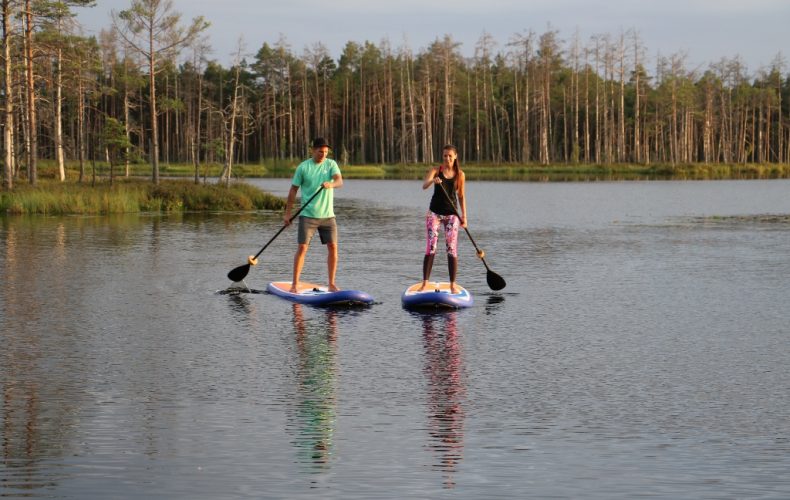
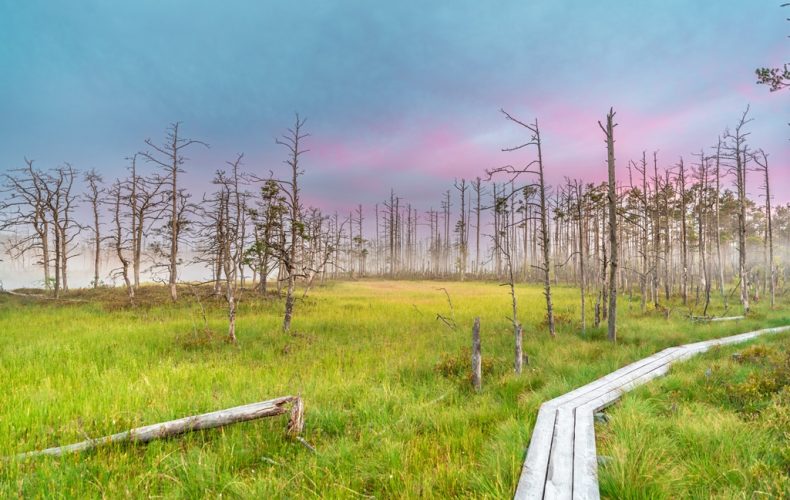
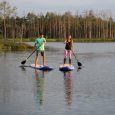
Cena Bog is the result of overland swamping due to impaired runoff. It contains several small lakes, the largest of which is Lake Skaista. In the south-western part of the marsh there is a forest. Peat extraction also takes place in the bog. The bog began to form about 5000 years ago. 5 of the 25 habitats found in the bog are of European importance, which together cover 95% of the bog area. Cena Moor is beautiful, peaceful and mysterious. Whatever the time of year you visit, its tranquillity and the sounds of nature are striking. In spring, the marsh is particularly interesting for birdwatchers.
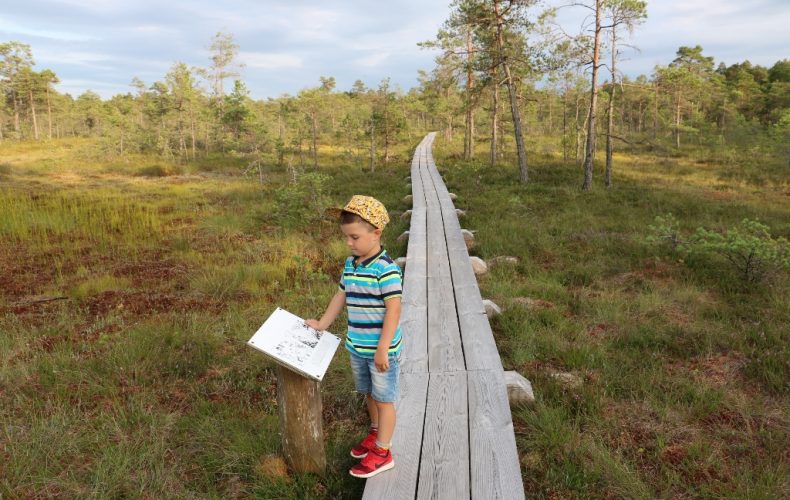
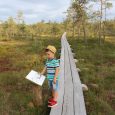
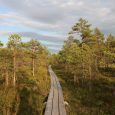
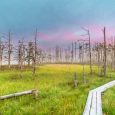
On 16 June 2007, the bog footbridge (5 km) was opened, which takes you to the most magnificent parts of the bog. Several resting places (benches) have been built on the sides of the boardwalk, and a bird observation tower has been built in the middle and a resting place with tables next to it.
The Cena Bog Trail can be reached from Babīte municipality by taking the Riga-Liepaja highway to the sign “Rubeni”. After about 5 km on an asphalted and dirt road, you reach a T-junction, from where you can see a peat extraction field.
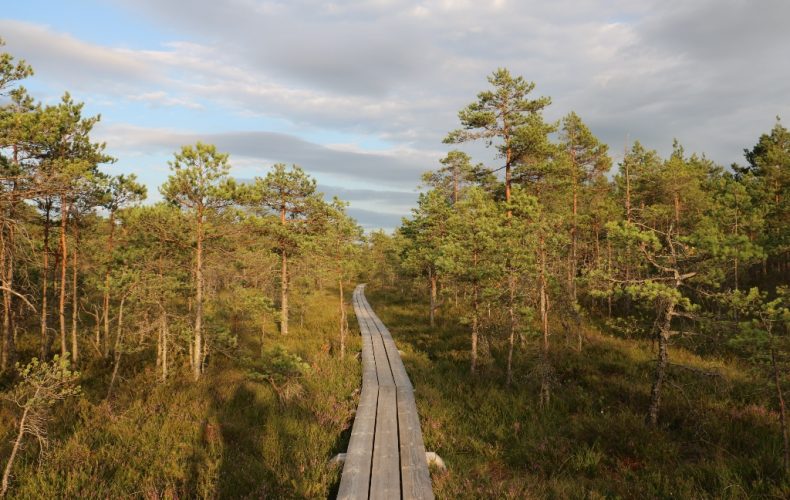
The start of the bog footbridge leads through the almost untouched northern part of the Cena Moor, introducing you to the treasures of the raised bog. It climbs between clear and deep bog lakes, bog plant cover and bog forests, where very small pine trees have long outlived most of the coastal mast pines in terms of age. If you are observant enough, you will notice that the tundra dwarf birch, a specially protected and rare species in Latvia, also grows here.
In the middle of the trail, there is an observation tower that allows you to discover the marsh landscape from a different point of view. The tables here will make you feel like you are eating in a very special restaurant. To the south of the marsh are the drained and already developed peat fields, which can be explored by walking further along the marsh footbridge and climbing the second lookout tower of the trail, which was built in 2013, you can see the landscape of the peat fields.
Photos from the archives of the TIC of Marupe municipality.