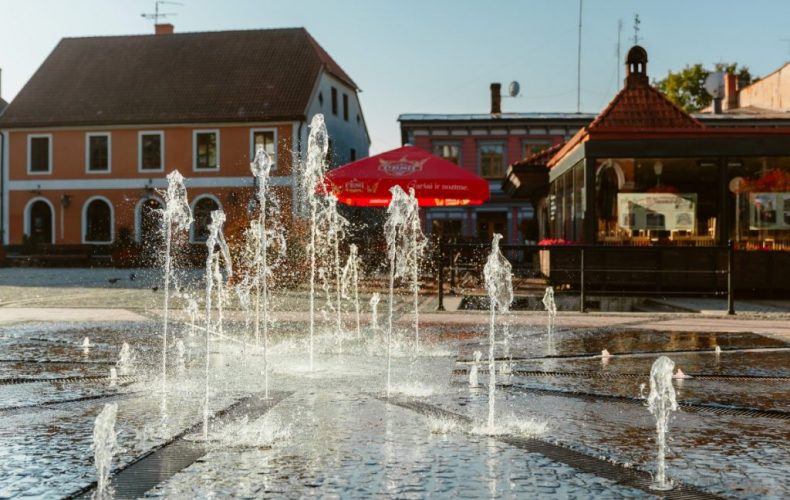
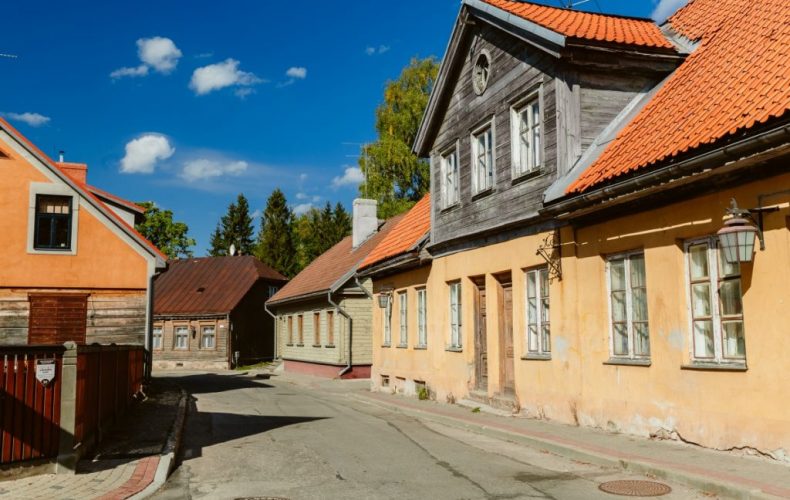
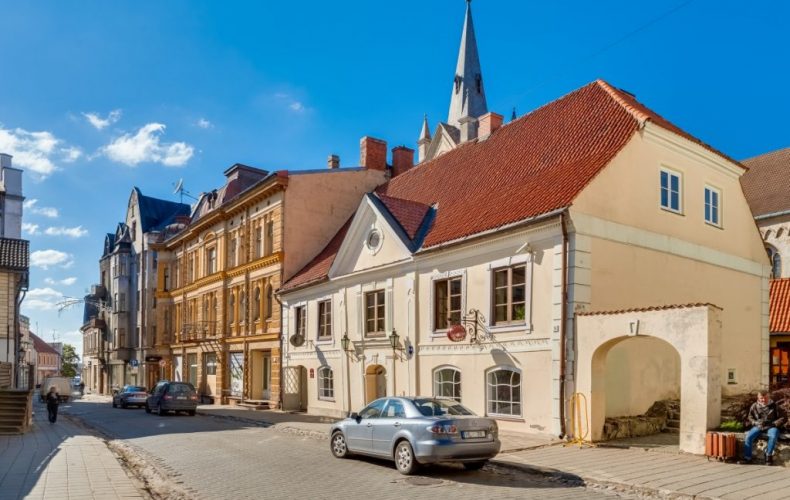


In the Middle Ages, narrow, winding streets with craftsmen’s and merchants’ houses formed around the castle and church of Cesis, tightly packed together on all sides. Although the medieval buildings of Cēsis have been completely destroyed by war and numerous fires, the historic centre of the town has preserved its medieval layout almost unchanged to this day. Today, the Old Town is home to most of Cēsis’ most historically and architecturally outstanding buildings, such as the 13th-century medieval castle. At the end of the 13th century, St. The most important buildings in the Old Town of Cieszyn are the Church of St John, the Town Hall, the Merchants’ House, the Harmony House and the Princes’ House. On the ground floors of these and other buildings are small shops and workshops full of creativity. The houses are interspersed with unique courtyards, squares and squares – Rose Square, Vienības Square, Līvu Square and other historically significant sites.
The name of Cēsis (Wenden) was first mentioned in historical sources in 1206, but Cēsis as a town was not mentioned in documents until 1323. Until the Livonian War (1558-1582), Cēsis stood out among other Livonian towns. The castle, which was located in the immediate vicinity, was the residence of the Livonian Order’s feudal lord, the city’s mayor, from time to time in the 13th to 15th centuries, but since 1481 it has been the permanent residence of the Livonian Order. Cēsis was not only a member of the Hanseatic League, but from the 14th to the 15th centuries, representatives of the orders, feudal lords, vassals and townspeople gathered here on several occasions for their deliberations. Bells and cannons were cast in Cēsis, and since the second half of the 15th century the mint of the Livonian Order’s major was located here.
More information and ancient legends can be found if you go on a guided tour – tours of the Old Town and the surroundings of Cēsis must be booked in advance.
Photos from the Cēsis TIC archive